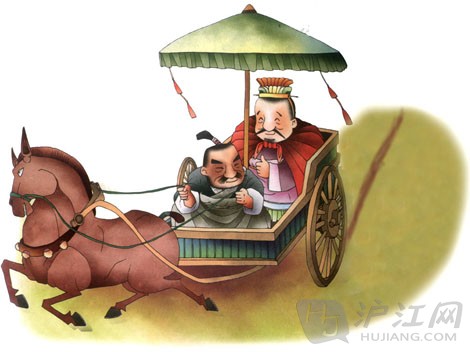
【成语来源】
南辕北辙
Once a man went to the south, but his carriagewas heading north.
一次一个人想往南走,但是他的马车却是朝北走的。
A passer-by asked him: "If you are going to the south, why is your carriage heading north?"
一个过路人问他:“如果你想往南走,为什么你的马车却朝北走呢?”
The man said, "My horse is good at running, my driver is highly skilled at driving a carriage, and I am rich."
这个人说:“我的马很能跑,我的车夫善于赶车,我又很富有,所以不在乎。”
The man didn't care the directionmight be wrong; the better his conditions were, the further he was far away from his destination.
这个人根本没有考虑到行进的方向也许错了;他的条件越好,反而会离目的地越远。
This idiom came from this story tells that one's action was the opposite effect to one's intention.
这个成语比喻行动和目的正好相反。
【文化链接】
英文中若要表达“南辕北辙”的意思,可以用短语“run in opposite directions”,也就是“朝着相反的方向跑”,翻译美化一下就是“南辕北辙”或者“背道而驰”的意思了。
我们来一起看一个例句:
They wouldn't win at the end because they ran in opposite directions.
因为他们早已南辕北辙了,所以根本不可能赢。
(编辑:赵颖茹)